Galleria VSB

SARADA CHARAN UKIL

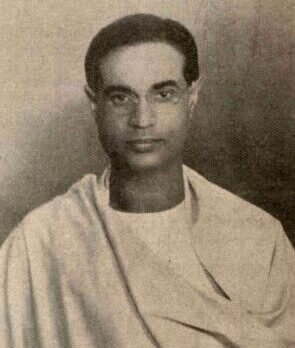
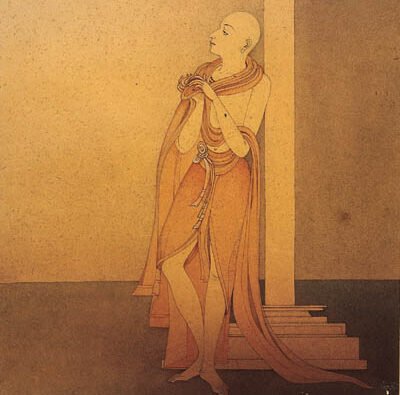
Sarada Charan Ukil (14 November 1888 – 21 July 1940) was an important early pioneer of the Bengal School of Art, recognized for bridging traditional Indian aesthetics with emerging modern sensibilities during a formative period of Indian art. Born in Bikrampur (then British India, now Bangladesh), he trained at the Government School of Art, Calcutta under Abanindranath Tagore, whose emphasis on indigenous techniques and cultural revival deeply shaped Ukil’s artistic philosophy and mastery of wash and narrative compositions rooted in mythological themes.

After moving to New Delhi in 1918, he became a committed educator—teaching at Modern School and later founding the Sarada Ukil School of Art on Janpath around 1926—while also contributing to institution building through the establishment of the All India Fine Arts and Crafts Society in 1928 alongside his brothers. Extending his cultural engagement beyond painting and pedagogy, Ukil appeared in the 1925 silent Indo-European film Prem Sanyas (The Light of Asia), directed by Franz Osten, portraying King Shuddhodhana, the father of the Buddha—an interdisciplinary role that enhanced the international presentation of Indian narratives and reflected his broader commitment to cultural expression across visual art, education, and cinema.


Style and Themes

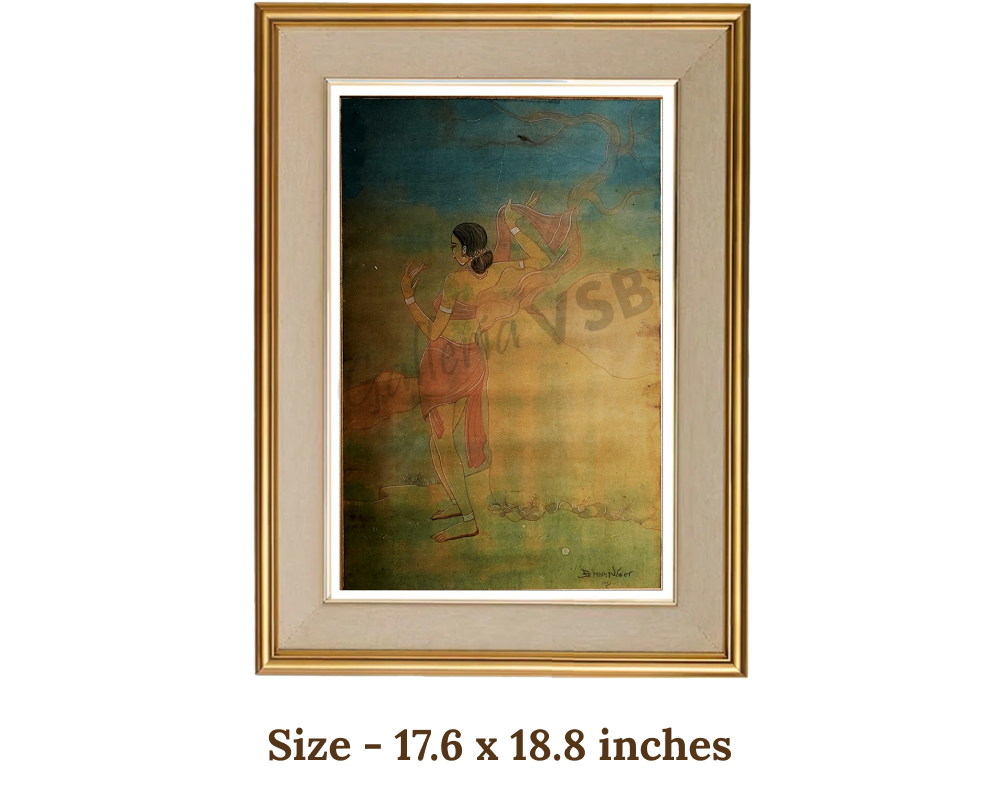
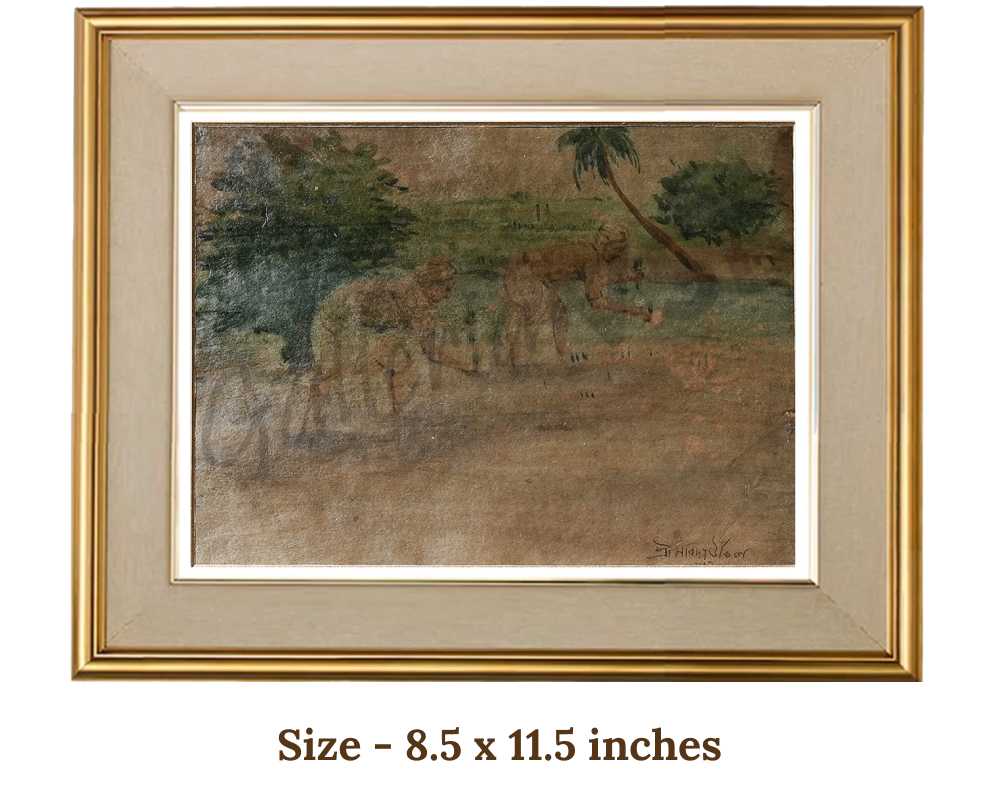
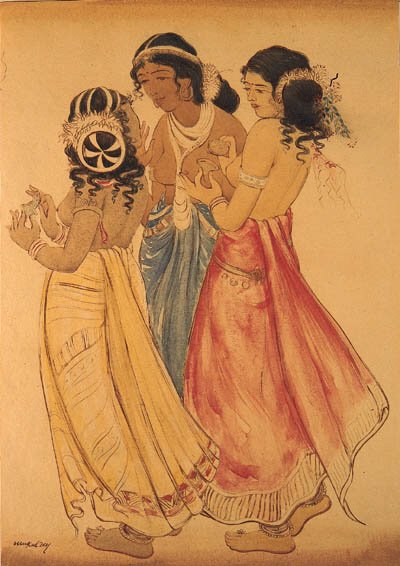
Ukil’s artistic style emerged from the wash technique and narrative tradition of the Bengal School, characterized by delicate line work, soft color harmonies, and a lyrical quality. His compositions often drew from mythological, religious, and cultural narratives, manifesting emotional depth and poetic resonance rather than strictly literal depiction. This approach placed emphasis on storytelling through visual symbolism and form.

His works frequently incorporated scenes from Indian life and spiritual themes, balancing native aesthetics with a mindful engagement of modern artistic innovation. The influence of Abanindranath Tagore’s emphasis on indigenous art and cultural exploration is visible in Ukil’s approach to subject and technique.

Exhibitions

Ukil’s artworks have been featured in major exhibitions both within India and internationally, with notable appearances in exhibitions such as Indian Divine: Gods & Goddesses in 19th and 20th Century Modern Art at DAG New Delhi and Mumbai. His work continues to be appreciated within institutional shows that reflect the history of Indian modern art movements.

Posthumously, his work and influence have also been showcased in contemporary collectors’ exhibitions such as Echoes of Bengal: A Collector’s Legacy at Akara Modern in Mumbai, highlighting his ongoing relevance to Indian art heritage.

Enduring Legacy

Sarada Ukil’s impact extends beyond his individual body of work to his foundational role in establishing art education in New Delhi, providing a structure for generations of Indian artists to explore indigenous techniques and cultural narratives. His school’s emphasis on Indian artistic values helped shape the city’s artistic community in the early 20th century and continues through institutional programs today.

His contributions to the Bengal School, combined with his role as an educator and cultural organizer, position him as a pivotal figure in the narrative of modern Indian art, influencing both his contemporaries and successive artists through the principles of narrative and indigenous aesthetic focus he championed.