Galleria VSB

JEHANGIR SABAVALA

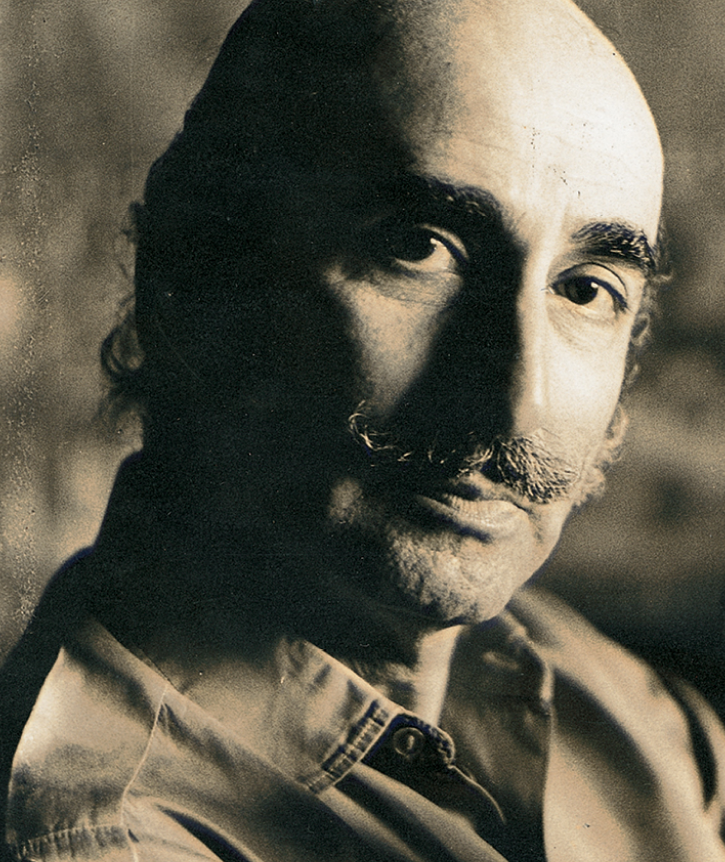
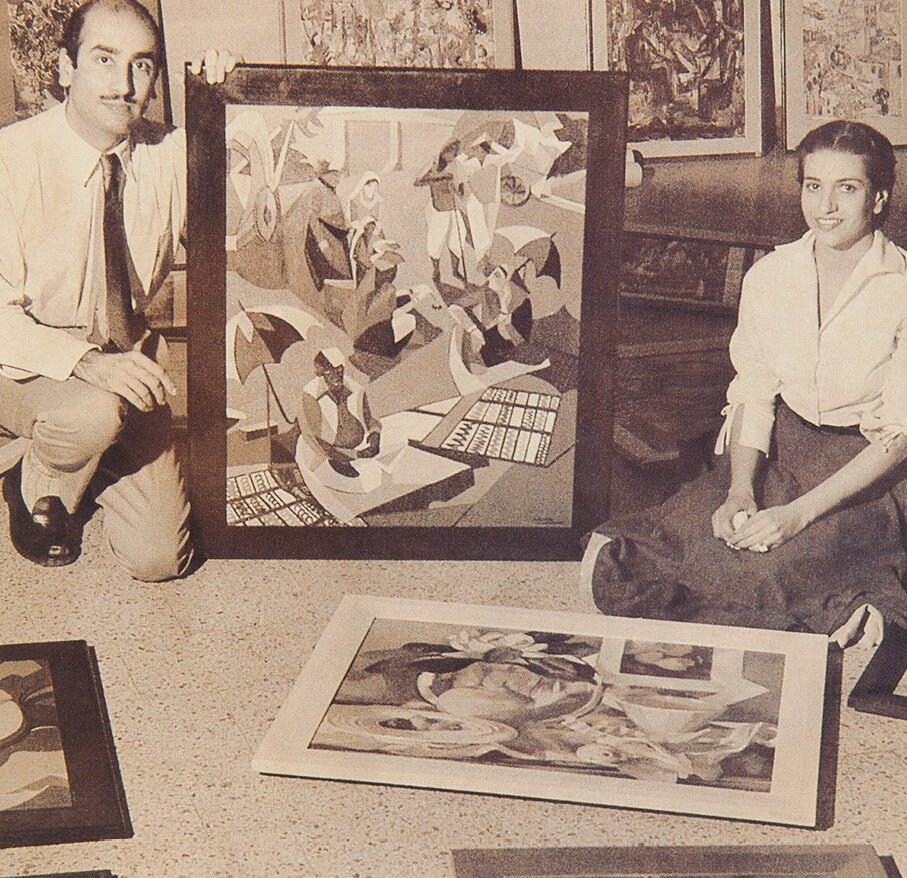
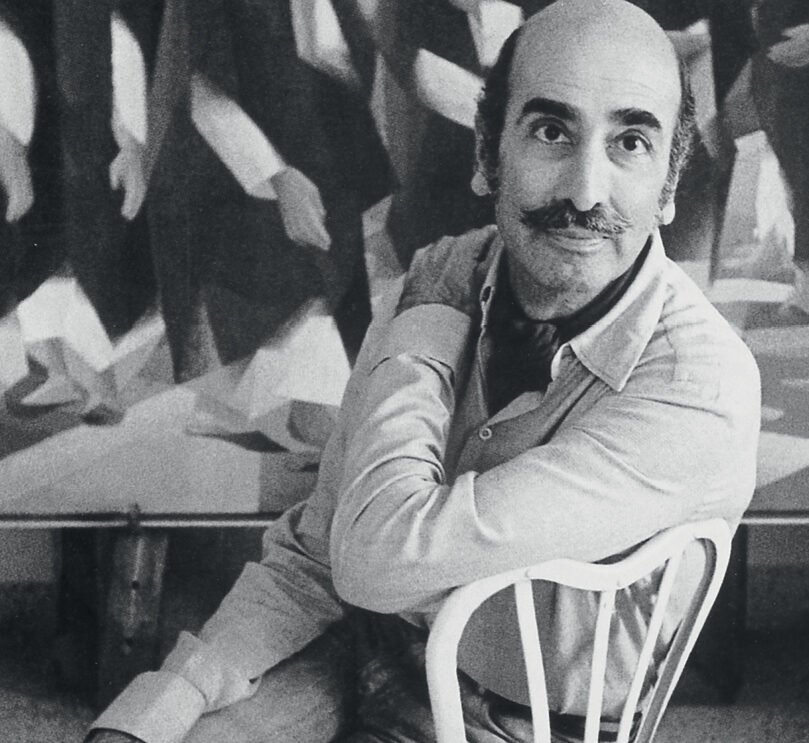
Jehangir Ardeshir Sabavala (23 August 1922 – 2 September 2011) was one of India’s most distinguished modern artists, renowned for serene, meticulously structured landscapes and compositions that articulate space with quiet depth. Born into an affluent Parsi family in Bombay, he received early education at Cathedral and John Connon School and Elphinstone College before earning his diploma from the Sir J. J. School of Art in 1944. Seeking further refinement, Sabavala trained in Europe—studying in London at the Heatherley School of Art and in Paris at the Académie André Lhote, Académie Julian, and Académie de la Grande Chaumière—where exposure to modernist principles shaped his disciplined approach to form and composition. Beginning with his first solo exhibition in 1951, he sustained a six-decade career with over thirty solo shows across major Indian cities and international exhibitions in London, Edinburgh, and New York. His works entered significant public and private collections and achieved strong international auction presence, affirming a legacy that bridged rigorous international training with an intensely personal vision of landscape and modern Indian painting.


Style and Themes

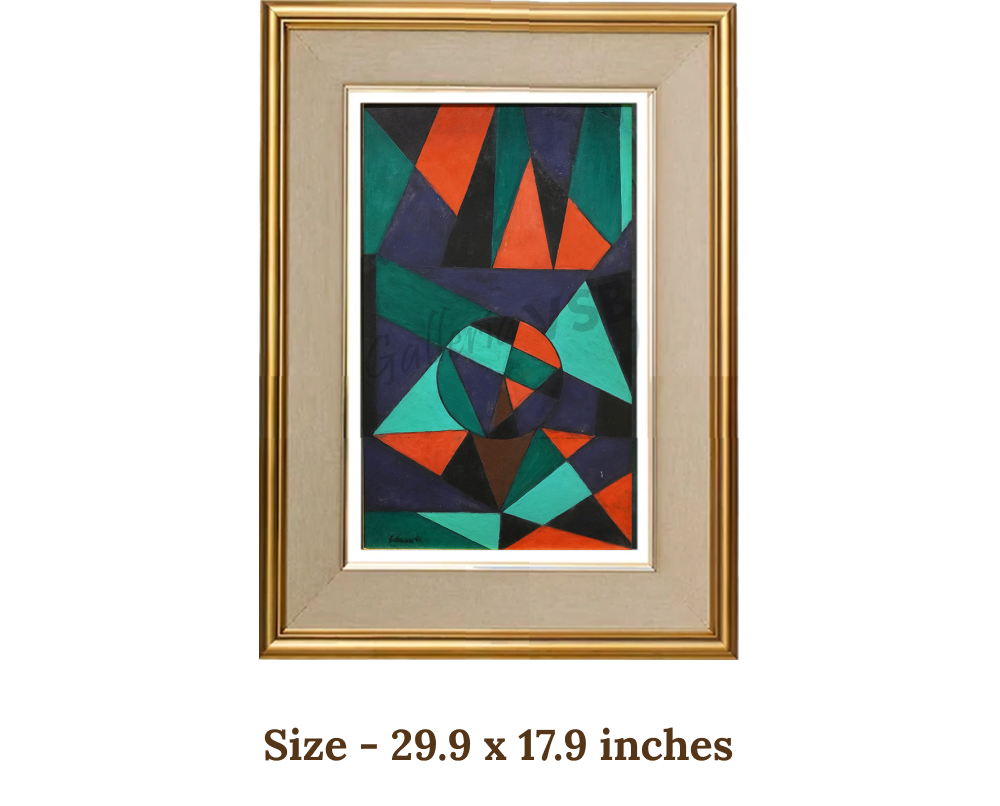
Sabavala’s artistic style developed through a synthesis of impressionist, academic, and cubist influences encountered during his European training. Over time, he evolved a distinctive visual vocabulary defined by calm tonal harmonies and carefully structured compositions. Landscapes, seascapes, and expansive skies became recurring subjects in his work. His paintings often explored light, space, and geometry, creating compositions that balanced structure with atmosphere. The restrained palette and clarity of form became defining features of his mature practice.

His works convey a sense of contemplation and stillness rather than dramatic movement. Geometry and luminosity function as organizing principles within his canvases. This combination of discipline and lyricism distinguished him within modern Indian art.

Exhibitions

Throughout his lifetime, Sabavala presented more than thirty solo exhibitions across India and internationally. Major metropolitan centres such as Mumbai, Delhi, Kolkata, and Chennai regularly showcased his work. International venues in London, Edinburgh, and New York further expanded his audience. His paintings were also included in significant group exhibitions that highlighted developments in Indian modern art. Even after his passing, curated exhibitions such as “Pilgrim Souls, Soaring Skies, Crystalline Seas” continued to revisit and celebrate his oeuvre.

These exhibitions reaffirmed the continued relevance of his artistic vision. Posthumous shows have introduced his work to newer

Enduring Legacy

Jehangir Sabavala is regarded as an important figure in post-colonial Indian art for his unique integration of international training with a deeply personal aesthetic. His disciplined exploration of light, atmosphere, and spatial structure contributed significantly to modern Indian painting. He played a notable role in strengthening Mumbai’s art culture and advocating for Indian modernism. The establishment of the Jehangir Sabavala Foundation further underscores the importance of preserving his artistic contributions. His works continue to be exhibited, collected, and studied within contemporary art discourse.

His legacy rests on both artistic refinement and intellectual depth. Collectors and institutions continue to value his contemplative landscapes. His influence remains visible in discussions of Indian modernist practice.