
PIRAJI SAGARA
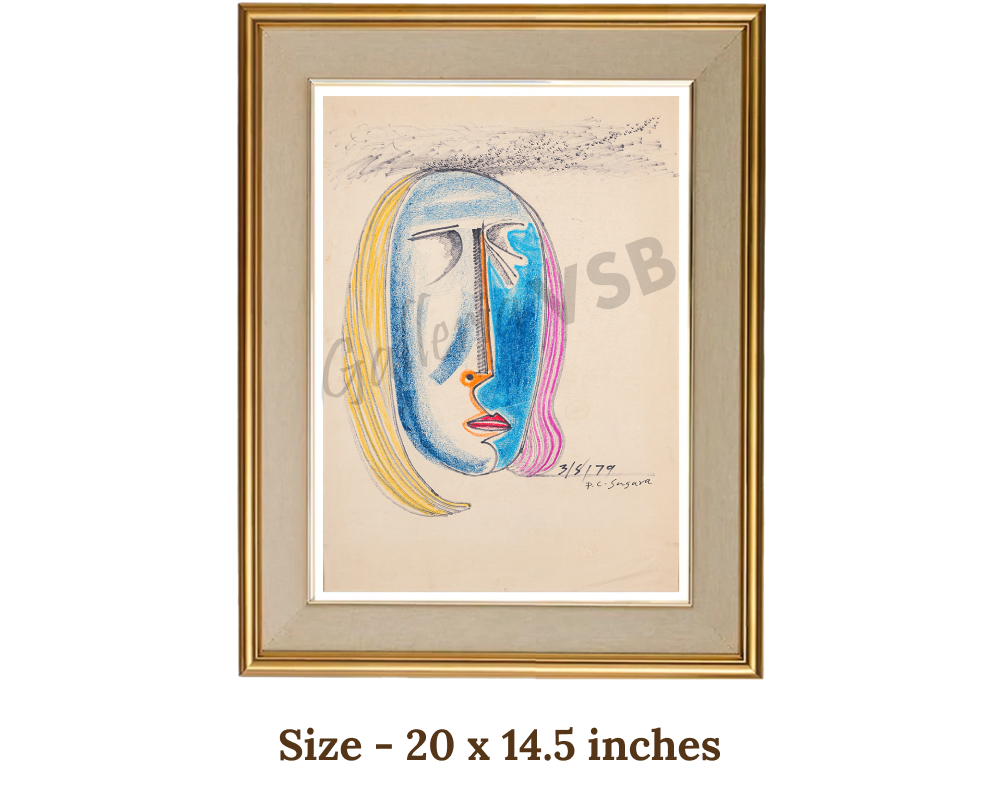
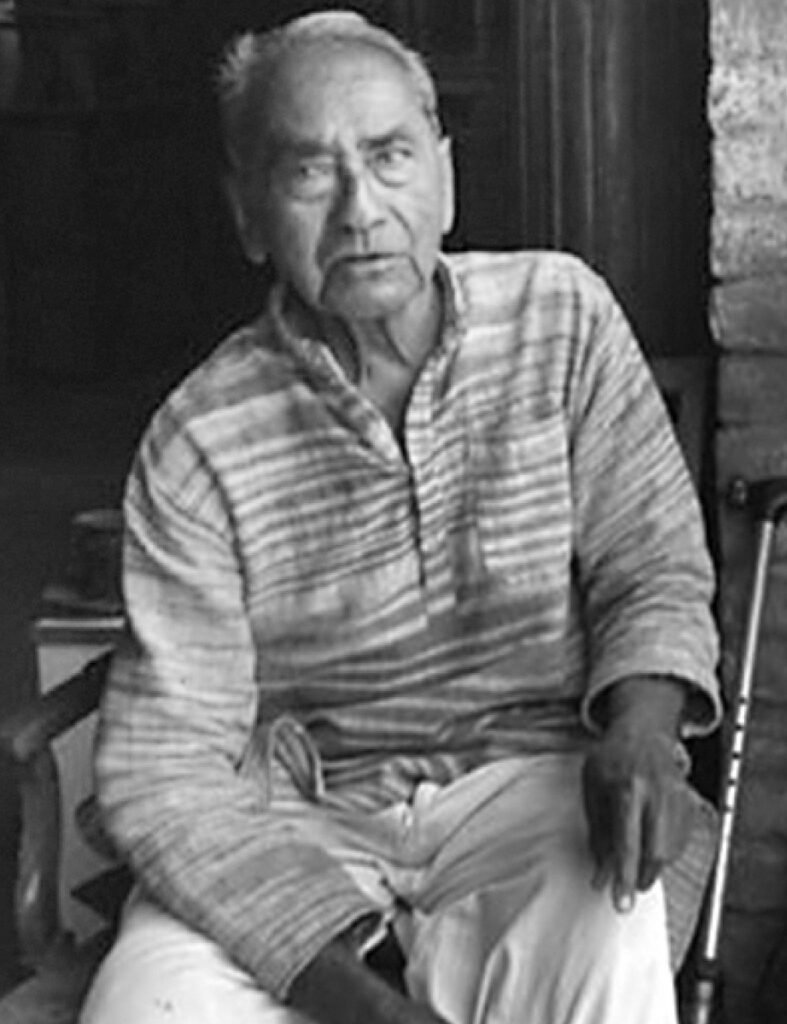
Piraji Sagara (born 1931, Gujarat) was a pioneering voice in post-Independence Indian modernism, best known for his radical exploration of mixed media and relief-based surfaces that dissolved the conventional boundaries between painting and sculpture. Educated at the Sir J. J. School of Art, he acquired a rigorous academic grounding, yet gradually rejected formal pictorial traditions in favour of a deeply tactile, process-driven approach where material itself became a carrier of meaning. Rooted in the cultural and natural environment of Gujarat, where he spent most of his life and career, Sagara’s work reflects an engagement with elemental forces, organic structures, and philosophical meditations on existence and time.
Through the use of unconventional materials such as wood, metal, sand, pigments, and found objects, he constructed dense, textured surfaces that invite both visual and physical contemplation, transforming the canvas into a sculptural plane. Alongside his sustained studio practice, Sagara played an influential pedagogical role at the Faculty of Fine Arts, Vadodara, where he mentored younger artists and encouraged experimental thinking. His oeuvre stands as a significant contribution to Indian modern art, marked by material innovation, introspection, and a refusal to be confined by medium or academic orthodoxy.
Style and Themes
Piraji Sagara is regarded as a significant contributor to modern Indian art for expanding the material and conceptual vocabulary of painting through an innovative, process-driven practice. Central to his style was an intense engagement with material experimentation—wood, metal, sand, pigments, and found objects were treated not as passive tools but as active agents that shaped form, texture, and meaning.
This approach allowed his works to occupy a liminal space between painting and sculpture, where relief-based surfaces challenged conventional definitions of the painted plane. Thematically, his art reflects a philosophical and introspective inquiry into existence, structure, and elemental forces, expressed through organic rhythms and tactile construction. By emphasizing surface, texture, and process, Sagara influenced subsequent generations of artists interested in mixed media and spatial experimentation, leaving a lasting imprint through both his artistic production and pedagogical legacy within the broader narrative of Indian modernism.
Exhibitions
Sagara’s works have been exhibited extensively in India, including solo and group exhibitions at prominent galleries and institutions. His exhibitions brought attention to his unconventional material approach and reinforced his position within the Indian modern art movement.
In later years, his work continued to be shown through curated exhibitions and retrospectives, allowing newer audiences to engage with his artistic legacy. These exhibitions highlighted the sustained relevance of his visual language.
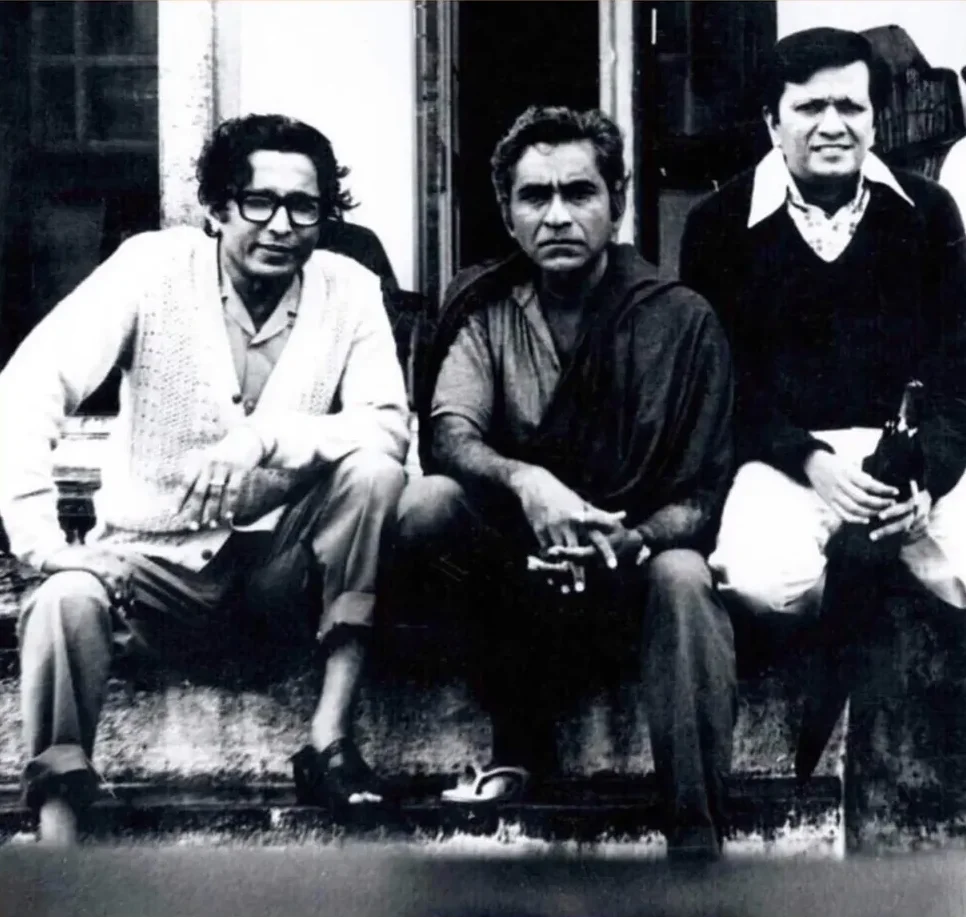
Enduring Legacy
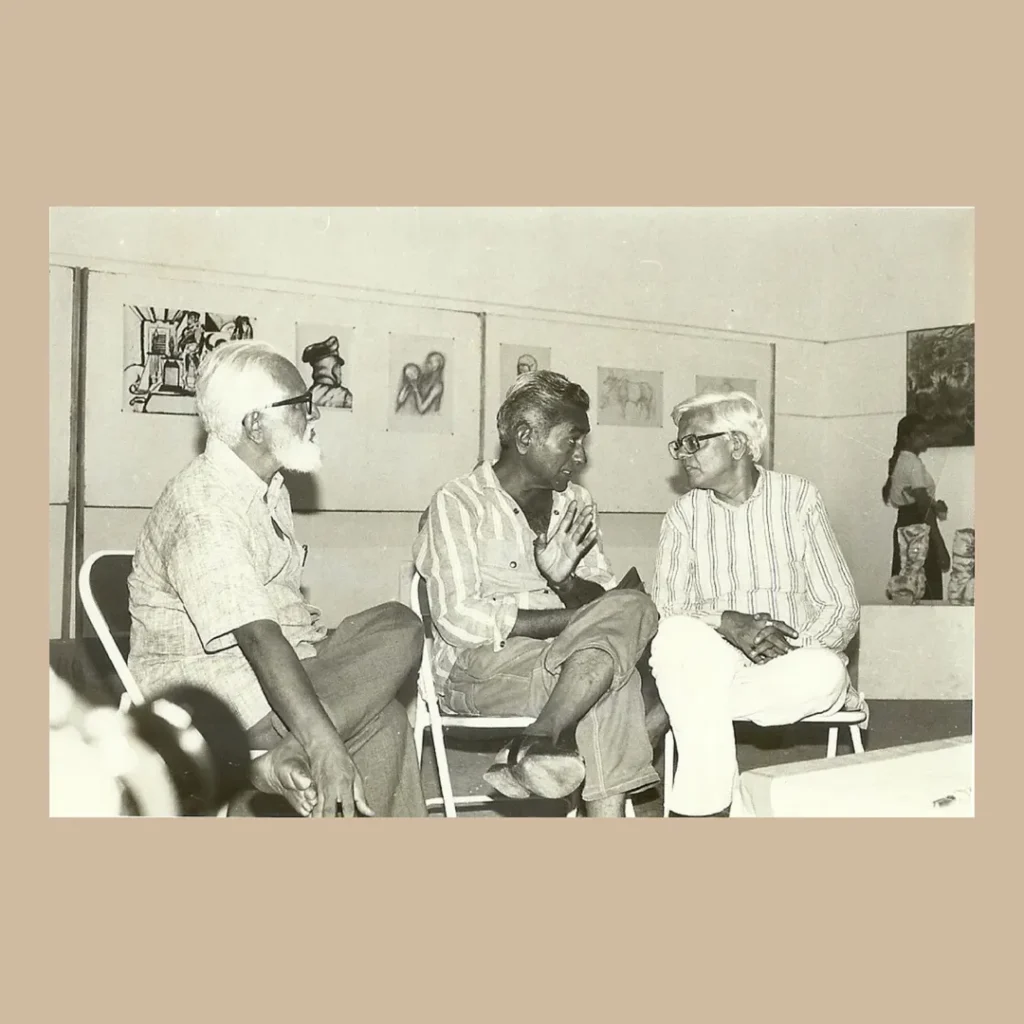
Piraji Sagara is regarded as an important contributor to modern Indian art, particularly for his role in expanding the material vocabulary of painting. His innovative approach influenced subsequent generations of artists interested in surface, texture, and mixed media practices.
His work remains significant within collections, archives, and exhibitions that examine the evolution of Indian modernism. Through his teaching and artistic production, Sagara left a lasting imprint on the cultural fabric of Indian art history.